

Why Am I Still Having Symptoms Weeks After My Concussion?
Why Am I Still Having Symptoms Weeks After My Concussion?

June 22, 2026
Irvine Concussion & Spine Specialist
Southern California Concussion & Spine Center
Orange County, California
Understanding Post-Concussion Syndrome in Irvine CA
A concussion is often described as a "mild" traumatic brain injury, but for many patients, the effects can feel anything but mild. While most people begin to recover within a few weeks, some continue to experience symptoms for months after their injury. If you're still struggling with headaches, dizziness, brain fog, fatigue, anxiety, sleep problems, or light sensitivity weeks after your concussion, you may be experiencing Post-Concussion Syndrome (PCS).
At Southern California Concussion & Spine Center, we frequently help patients throughout Orange County who are frustrated by lingering symptoms and unsure why they haven't returned to feeling like themselves. Understanding what is happening inside the brain and nervous system is the first step toward recovery.
What Is Post-Concussion Syndrome?
Post-Concussion Syndrome (PCS) is a condition in which concussion symptoms persist beyond the expected recovery period. While many people recover within days or weeks, others continue to experience symptoms for months or even longer. Research shows that persistent post-concussive symptoms can affect physical, cognitive, emotional, and sleep-related functions.
Importantly, lingering symptoms do not necessarily mean you suffered a severe concussion. Even individuals with relatively mild injuries can develop persistent symptoms.
Why Am I Still Having Symptoms?
A concussion affects more than just the brain itself. It can disrupt communication between different brain regions, alter balance and visual systems, affect the autonomic nervous system, and create dysfunction within the cervical spine (neck). When these systems do not recover properly, symptoms may persist.
Common reasons symptoms linger include:
- Vestibular (balance) dysfunction
- Visual processing problems
- Cervical spine injuries and whiplash
- Autonomic nervous system dysregulation
- Sleep disturbances
- Anxiety or stress related to the injury
- Previous concussion history
- Incomplete or inappropriate rehabilitation
Persistent symptoms are often the result of multiple overlapping issues rather than a single problem.
Common Symptoms of Post-Concussion Syndrome
Headaches
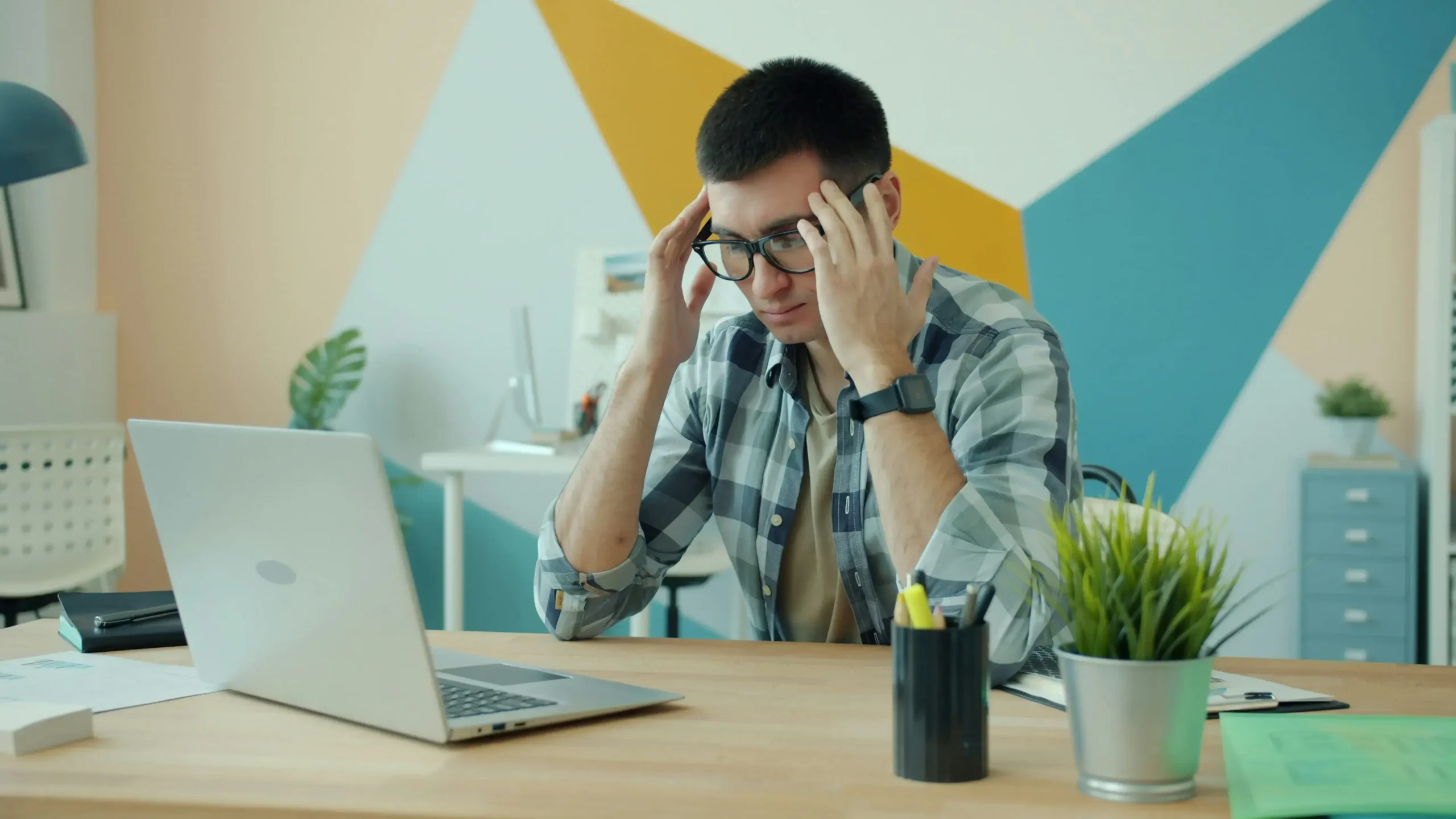
Headaches are among the most common symptoms reported after a concussion. They may resemble migraines, tension headaches, or headaches originating from neck dysfunction. Many patients notice headaches worsen after screen use, mental concentration, exercise, or exposure to bright lights.
Dizziness and Balance Problems
If you feel unsteady, lightheaded, or experience motion sensitivity, the vestibular system may be involved. The vestibular system helps your brain process movement and balance. Following a concussion, this system can become disrupted and contribute to persistent dizziness.
Learn more HERE about dizziness after a concussion.
Brain Fog and Cognitive Difficulties
Many patients describe feeling mentally slower than usual. Brain fog may include:
- Difficulty concentrating
- Memory challenges
- Slower processing speed
- Trouble multitasking
- Reduced mental stamina
These symptoms can significantly impact work, school, and daily activities.
Fatigue
Post-concussion fatigue is more than simply feeling tired. Patients often report feeling exhausted after routine tasks that previously required little effort. Mental and physical exertion can trigger symptom flare-ups and prolong recovery when not properly managed.
Anxiety and Mood Changes
Concussions can affect emotional regulation and nervous system function. Anxiety, irritability, depression, and increased stress sensitivity are common symptoms during recovery. Many patients become concerned when symptoms linger, which can further contribute to emotional distress.
Sleep Disturbances
Quality sleep is critical for brain recovery. Unfortunately, many concussion patients struggle with:
- Difficulty falling asleep
- Frequent awakenings
- Non-restorative sleep
- Excessive daytime fatigue
Poor sleep can worsen headaches, brain fog, mood symptoms, and overall recovery time.
Light Sensitivity
Sensitivity to light, computer screens, and busy visual environments is another hallmark symptom of Post-Concussion Syndrome. Activities such as working on a computer, driving at night, or spending time in bright stores may trigger symptom flare-ups.
The Role of the Neck After a Concussion
One commonly overlooked factor is the cervical spine.
Many concussions occur alongside whiplash-type injuries that affect muscles, joints, ligaments, and nerves in the neck. Cervical dysfunction can contribute to:
- Headaches
- Dizziness
- Visual disturbances
- Balance problems
- Neck pain
- Brain fog
At Southern California Concussion & Spine Center, comprehensive concussion evaluations include assessment of both brain function and cervical spine involvement to identify all contributing factors.
Effective Treatment Options for Post-Concussion Syndrome

The good news is that persistent symptoms often respond well to targeted treatment once the underlying causes are identified.
Functional Neurological Rehabilitation
A comprehensive neurological assessment can identify areas of dysfunction involving balance, coordination, eye movements, sensory integration, and cognitive processing. Customized rehabilitation programs are designed to stimulate neuroplasticity and improve brain function.
Vestibular Rehabilitation
Patients experiencing dizziness, motion sensitivity, or balance problems may benefit from vestibular rehabilitation exercises designed to retrain the brain's balance systems.
Vision and Oculomotor Therapy
Concussions commonly affect eye tracking, visual processing, and visual-vestibular integration. Targeted visual rehabilitation can help reduce symptoms associated with reading, screen use, and visual motion sensitivity.
Cervical Spine Treatment
Addressing neck dysfunction can significantly improve headaches, dizziness, and other lingering symptoms. Treatment may include manual therapy, corrective exercises, and movement-based rehabilitation.
Guided Return-to-Activity Programs
Current concussion research supports a gradual, symptom-guided return to physical and cognitive activity rather than prolonged complete rest. Appropriate progression can help promote recovery while minimizing symptom exacerbation.
Sleep and Lifestyle Optimization
Improving sleep quality, managing stress, optimizing nutrition, and supporting overall brain health can play a critical role in concussion recovery.
When Should You Seek Help?
If you are still experiencing symptoms several weeks after your concussion, it is important to seek a comprehensive evaluation.
You should consider professional assessment if you experience:
- Persistent headaches
- Ongoing dizziness
- Brain fog affecting work or school
- Significant fatigue
- Anxiety or mood changes
- Sleep disturbances
- Light sensitivity
- Difficulty returning to exercise or daily activities
The longer symptoms persist, the more important it becomes to identify the specific systems contributing to your recovery challenges.
Post-Concussion Syndrome Treatment in Orange County
At Southern California Concussion & Spine Center, we specialize in evaluating and treating patients with lingering concussion symptoms. Our comprehensive approach focuses on identifying the underlying neurological, vestibular, visual, and cervical spine factors contributing to Post-Concussion Syndrome.
Through individualized treatment plans, we help patients throughout Orange County safely return to work, sports, school, and daily life.
If you are struggling with persistent concussion symptoms, know that recovery is possible and you do not have to navigate it alone.
Call or text us today at (949) 653-6777 to schedule a free consultation.
Our team at Southern California Concussion & Spine Center provides comprehensive evaluations for persistent headaches, dizziness, brain fog, balance disorders, visual disturbances, and other lingering concussion symptoms for patients across Orange County including Irvine, Newport Beach, Tustin, Lake Forest, Mission Viejo, Laguna Niguel, and surrounding communities.
Frequently Asked Questions
How long does Post-Concussion Syndrome last?
Recovery varies significantly between individuals. While many people improve within several weeks, some may experience symptoms for months. Identifying and treating the underlying causes often improves recovery outcomes.
Can I have Post-Concussion Syndrome even if my MRI or CT scan is normal?
Is it normal to have brain fog weeks after a concussion?
Can neck injuries contribute to concussion symptoms?
Should I avoid exercise if I have Post-Concussion Syndrome?
About The Author

Southern California Concussion & Spine Center | Irvine, CA
Dr. Nicholas Hoy is an Irvine concussion and spine specialist and the founder of Southern California Concussion & Spine Center in Orange County, California. He specializes in concussion management, functional neurology, sports-related injuries, vestibular rehabilitation, and spine care.
Dr. Hoy is board-certified in chiropractic neurology and holds advanced credentials in sports medicine and concussion rehabilitation. His clinical focus is helping patients recover from complex neurological and musculoskeletal conditions through evidence-based, individualized treatment strategies.
References
- Centers for Disease Control and Prevention (CDC) – Symptoms of Mild TBI and Concussion: CDC Concussion Symptoms
- Mayo Clinic – Persistent Post-Concussive Symptoms (Post-Concussion Syndrome):
A comprehensive overview of persistent concussion symptoms, risk factors, causes, and treatment considerations. Mayo Clinic: Post-Concussion Syndrome - Mayo Clinic – Persistent Post-Concussive Symptoms: Diagnosis and Treatment:
Mayo Clinic: Diagnosis & Treatment of Post-Concussion Syndrome - McCrory P, et al. Consensus Statement on Concussion in Sport: International consensus guidelines on concussion evaluation, management, and return-to-play recommendations. British Journal of Sports Medicine: Concussion Consensus Statement
- Leddy JJ, Haider MN, Ellis MJ, Willer BS. Exercise for Concussion and Persistent Symptoms - Research supporting symptom-guided aerobic exercise as part of concussion rehabilitation.
- Silverberg ND, Iverson GL. Etiology of Post-Concussion Syndrome: A review examining the multifactorial causes of persistent post-concussive symptoms. PMCID Article on Post-Concussion Syndrome.
- Longitudinal Structural Connectomic Analysis in Mild Traumatic Brain Injury: Demonstrates that brain changes associated with mild traumatic brain injury can persist well beyond the initial injury period. Longitudinal Structural Connectomic Analysis Study

Monday
7:30am - 12:00pm
2:00pm - 6:00pm
Tuesday
7:30am - 12:00pm
2:00pm - 5:00pm
Wednesday
7:30am - 12:00pm
2:00pm - 6:00pm
Thursday
Closed
Friday
7:30am - 12:00pm
2:00pm - 6:00pm
Saturday & Sunday
Closed

Southern California Concussion and Spine Center
1 Peters Canyon Rd STE 120
Irvine, CA 92606