

How Virtual Reality Vestibular Rehabilitation Helps Concussion Recovery
How Virtual Reality Vestibular Rehabilitation Helps Concussion Recovery

August 7, 2026
Irvine Concussion & Spine Specialist
Southern California Concussion & Spine Center
Orange County, California
If you've recently suffered a concussion, you're probably focused on one question: "How do I get back to feeling normal?" The first step is understanding exactly how your injury has affected your brain and balance system.
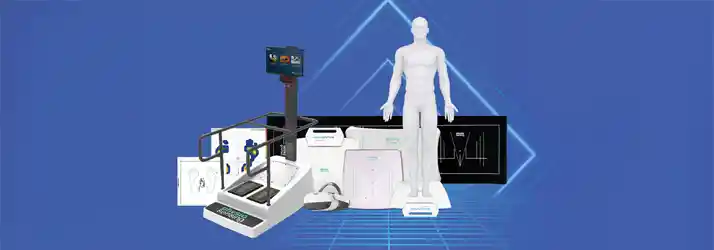
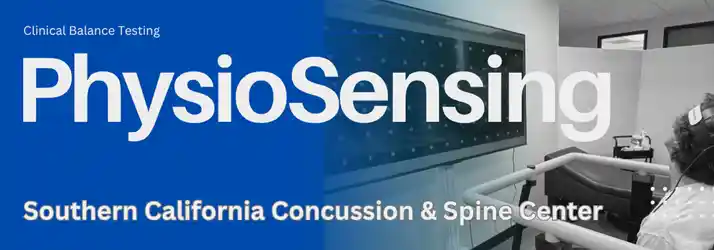
At Southern California Concussion & Spine Center in Irvine, we use the PhysioSensing system, an advanced balance assessment technology that measures how your brain, eyes, inner ear, and body work together to maintain stability. Unlike a standard balance exam, PhysioSensing provides objective data that can identify subtle deficits often missed during a routine physical examination.
These results help Dr. Hoy pinpoint the underlying causes of symptoms like dizziness, motion sensitivity, headaches, and balance problems, allowing him to create a treatment plan tailored to your specific needs.
But identifying the problem is only half the equation.
Once we know which parts of your balance and vestibular system have been affected, the next step is helping your brain recover. One of the most innovative tools we use is virtual reality (VR) vestibular rehabilitation in Irvine CA, an evidence-based therapy that retrains the brain through immersive, carefully controlled exercises.
Whether you're recovering from a sports concussion, a car accident, or persistent post-concussion symptoms, understanding how this technology works can help you feel more confident about your recovery journey.
Why Some Concussion Symptoms Don't Go Away on Their Own
Many concussion patients expect they'll feel completely better after a few weeks. For some people, that's true. But others continue to experience symptoms such as:
- Dizziness
- Feeling off balance
- Motion sensitivity
- Headaches
- Difficulty concentrating
- Feeling overwhelmed in busy environments
- Trouble driving
- Difficulty returning to sports or exercise
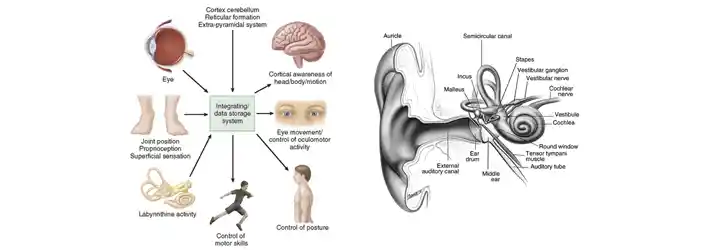
These lingering symptoms often occur because the brain and vestibular (balance) system haven't fully recovered, even though the injury itself has healed. Fortunately, the brain has an incredible ability to adapt and reorganize. This process, called neuroplasticity, is the foundation of vestibular rehabilitation.
What Is Vestibular Rehabilitation?

Vestibular rehabilitation is a specialized form of therapy that retrains the communication between your:
- Brain
- Inner ear
- Eyes
- Neck
- Muscles and joints
Instead of simply treating symptoms, vestibular rehabilitation helps your nervous system learn how to process movement and balance more efficiently. The goal is to reduce dizziness, improve balance, increase confidence with movement, and help you safely return to everyday activities.
How Virtual Reality Makes Rehabilitation Even Better
Traditional vestibular therapy often includes eye exercises, balance training, walking drills, and head movement exercises. Virtual reality takes rehabilitation to another level. By wearing a VR headset, patients can safely experience realistic environments that challenge the brain in ways that simply aren't possible with traditional exercises alone.
Depending on your symptoms, you may practice moving through:
- Busy grocery stores
- Crowded sidewalks
- Moving visual environments
- Sports-related situations
- Balance challenges
- Dynamic head and eye movements
These immersive experiences help retrain your brain without exposing you to unnecessary risk.
Why Virtual Reality Works
Many concussion symptoms are triggered by complex visual environments. For example, patients often tell us they become dizzy while:
- Shopping at stores like Costco
- Walking through airports
- Driving in heavy traffic
- Watching their child's sporting event
- Scrolling on their phone
- Being in crowded restaurants
These environments overload a nervous system that's still recovering. Virtual reality allows us to gradually expose our patients to these situations while carefully controlling the difficulty level. As your brain adapts, these activities often become more comfortable in real life.
Personalized Therapy Based on Your Test Results
No two concussions are exactly alike. That's why we don't give every patient the same rehabilitation program.
Your PhysioSensing balance assessment helps Dr. Hoy identify exactly which systems need attention. As you improve, we repeat objective testing to measure your progress and adjust your treatment plan accordingly.
Why Dr. Hoy Uses the Latest Rehabilitation Technology
Dr. Hoy continually invests in evidence-based tools that provide measurable results rather than relying solely on symptom reports. Combining objective balance testing with virtual reality rehabilitation allows patients to receive highly personalized care. It’s based on how their brain and vestibular system are actually functioning, not just how they feel on a given day.
This data-driven approach helps guide treatment decisions and gives patients confidence as they return to work, school, athletics, and everyday life.
Who Can Benefit from Virtual Reality Vestibular Rehabilitation?
Virtual reality rehabilitation may be beneficial for patients experiencing:
- Sports-related concussions
- Post-concussion syndrome
- Dizziness
- Vertigo
- Motion sensitivity
- Balance disorders
- Vestibular dysfunction
- Persistent headaches after concussion
- Neck-related dizziness
- Difficulty returning to athletics
Whether your symptoms developed after a football game, a car accident, a fall, or another head injury, vestibular rehabilitation may help your brain recover more efficiently.
Concussion Rehabilitation in Irvine, CA
At Southern California Concussion & Spine Center, we believe the best outcomes come from combining advanced diagnostic technology with personalized treatment. Rather than guessing why symptoms persist, we use objective testing to identify the problem and innovative rehabilitation techniques, including virtual reality, to help retrain your brain.
If you've been struggling with dizziness, balance problems, or lingering concussion symptoms, our team is here to help you move forward with confidence.
Schedule a Vestibular Evaluation in Irvine
If you're experiencing persistent dizziness, balance problems, or post-concussion symptoms, request a complimentary discovery call today.
Want to learn more about how PhysioSensing works? Check out our Blog on Advanced Concussion Balance Testing in Irvine, CA.
Frequently Asked Questions
Is virtual reality therapy safe after a concussion?
Yes. When performed under the supervision of a trained healthcare provider, virtual reality vestibular rehabilitation is carefully tailored to your symptoms and tolerance. Exercises begin at an appropriate level and progress gradually as you improve.
Will virtual reality make my dizziness worse?
How many therapy sessions will I need?
Can athletes use virtual reality rehabilitation?
Why choose Southern California Concussion & Spine Center?
Southern California Concussion & Spine Center | Irvine, CA
Dr. Nicholas Hoy is a board-certified chiropractic neurologist and concussion specialist who focuses on the evaluation and rehabilitation of concussion, dizziness, balance disorders, vestibular dysfunction, and neurological conditions.
He helps patients throughout Irvine and Orange County identify the underlying causes of persistent symptoms and develop evidence-based treatment strategies designed to support recovery and improve quality of life.
As both a concussion specialist and a father of two young children, Dr. Hoy understands the concerns individuals and families face when dealing with brain injuries. His approach combines advanced neurological assessment with compassionate, patient-centered care to help patients safely return to work, school, sports, and everyday life.
References
Centers for Disease Control and Prevention (CDC). Concussion Basics (HEADS UP). Available at: https://www.cdc.gov/heads-up/about/index.html
Centers for Disease Control and Prevention (CDC). Signs and Symptoms of Concussion. Available at: https://www.cdc.gov/heads-up/signs-symptoms/index.html
Centers for Disease Control and Prevention (CDC). Traumatic Brain Injury & Concussion: Symptoms of Mild TBI and Concussion. Available at: https://www.cdc.gov/traumatic-brain-injury/signs-symptoms/index.html
Alsalaheen BA, Mucha A, Morris LO, et al. Vestibular Rehabilitation for Dizziness and Balance Disorders After Concussion. Journal of Neurologic Physical Therapy. 2010;34(2):87-93.
Mucha A, Collins MW, Elbin RJ, et al. A Brief Vestibular/Ocular Motor Screening (VOMS) Assessment to Evaluate Concussions: Preliminary Findings. American Journal of Sports Medicine. 2014;42(10):2479-2486.
Kontos AP, Deitrick JM, Collins MW, Mucha A. Review of Vestibular and Oculomotor Screening and Rehabilitation After Sport-Related Concussion. Journal of Athletic Training. 2017;52(3):256-261.
Galeno E, Pullano E, Mourad F, et al. Effectiveness of Vestibular Rehabilitation after Concussion: A Systematic Review of Randomized Controlled Trials. Healthcare. 2023;11(2):226.
Park JH, Park JH, Kim JH, et al. Virtual Reality-Based Rehabilitation for Balance and Vestibular Disorders: A Systematic Review. Otology & Neurotology. 2021.
Lin CT, et al. Virtual Reality-Based Rehabilitation for Balance Disorders: A Systematic Review and Meta-Analysis. Clinical Rehabilitation. 2019.
National Institute of Neurological Disorders and Stroke (NINDS). Traumatic Brain Injury (TBI). Available at: https://www.ninds.nih.gov/health-information/disorders/traumatic-brain-injury-tbi
American Physical Therapy Association (APTA). Physical Therapy Management of Concussion and Mild Traumatic Brain Injury. Available at: https://www.apta.org
Vestibular Disorders Association (VeDA). Vestibular Rehabilitation Therapy (VRT). Available at: https://vestibular.org/article/diagnosis-treatment/treatments/vestibular-rehabilitation-therapy-vrt/
PhysioSensing. Balance and Vestibular Assessment Technology. Available at: https://www.physiosensing.net/

Monday
7:30am - 12:00pm
2:00pm - 6:00pm
Tuesday
7:30am - 12:00pm
2:00pm - 5:00pm
Wednesday
7:30am - 12:00pm
2:00pm - 6:00pm
Thursday
Closed
Friday
7:30am - 12:00pm
2:00pm - 6:00pm
Saturday & Sunday
Closed

Southern California Concussion and Spine Center
1 Peters Canyon Rd STE 120
Irvine, CA 92606